Technical Knowledge Repository

Water Purification Science & Health Insights

Research, field protocols, and chemical perspectives on safeguarding drinking water, combating flood contamination, and community health.

Drinking Water Luxury Water Quality Analysis
By Chemical Research Desk • August 4

Is Clean and Pure Drinking Water a Luxury?

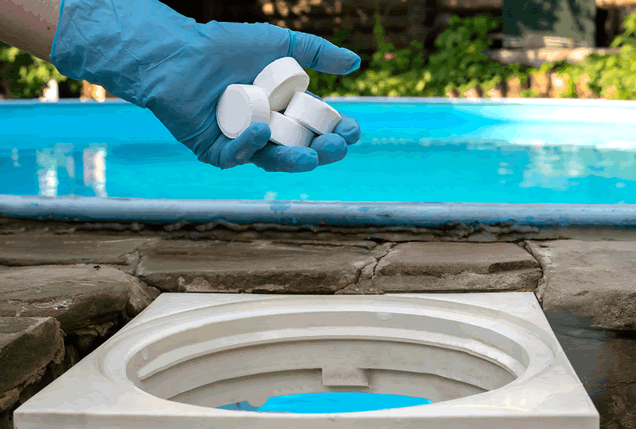
Water is the essence of life, yet millions of residential overhead tanks across urban and rural centers harbor microbial growth, algae, and coliform bacteria. When municipal supply enters storage tanks, residual chlorine is rapidly depleted. Learn why point-of-use disinfection with stabilized chlorine tablets is essential to prevent waterborne infections such as Typhoid, Cholera, and Gastroenteritis.

Need for Chlorine Tablets NaDCC Chemistry
By Technical Director • August 12

Why is there a Need for Effervescent Chlorine Tablets?

Traditional liquid bleach degrades rapidly when exposed to tropical sunlight and temperature, losing over 50% of its available chlorine within weeks. Furthermore, liquid bleach alters the pH of water, making it alkaline and harsh on pipes. Effervescent Sodium Dichloroisocyanurate (NaDCC) tablets maintain near-neutral pH (6.5), release hypochlorous acid (HOCl) on demand, and carry a verified 36-month shelf life.

Hygiene Perspective Public Sanitation
By Quality Assurance Team • September 13

Are We Becoming More Hygienic or Less Hygienic?

While modern living appears cleaner on the surface, rapid urbanization has intensified groundwater contamination through chemical seepage, aging sewage lines, and industrial effluents. Understanding modern microbial barriers and proper surface disinfection protocols in hospitals, food preparation hubs, and households is more crucial than ever.

Emergency Protocols Disaster Recovery
By Disaster Relief Coordinator • March 9

Sanitation and Hygiene in Emergency Disaster Zones

When natural calamities and floods strike, public water infrastructure is the first casualty. Standing floodwaters become breeding grounds for Vibrio cholerae and enteric pathogens. WHO-recommended shock chlorination protocols using high-dose NaDCC tablets allow disaster response teams to purify thousands of liters of raw floodwater quickly and safely.